Copyrights

Pictures or videos taken off the internet infringing copy rights will be removed upon request!

Friday, March 29, 2013

PUT IT IN FORWARD & REVERSE

Recent postings have discussed exercises that are used for one muscle group when it should really be used for another, but there also certain machines that have more than one purpose in the gym, and most really have no idea that even just a small modification of how the equipment is adjusted, can change the muscle that is being targeted.

In Custom Fitness we have talked about equipment adjustment to body sizes, and one of the exercises mentioned was the Peck Deck. After reading that post did you change your “one size fits all” way of thinking and start adjusting the seat of the peck deck to fit you? We have already discussed that the height of the seat determines what muscle is working out, but do you really know what height it should be? What about the position of the handles? Are they in the appropriate place to work out your chest or your posterior shoulders?

Sharing a machine may mean that you will have to increase your rest interval to adjust the equipment to your size, and on some machines it might just be an adjustment to your comfort zone. But in the case of the peck deck, whether it is being used for the front of the body or the back, a slight change can affect more or less the muscle that it is intended for.

The peck deck is used for the chest muscles and the shoulder muscles. When positioning the handles for the chest, just like in the bench press you don’t lower your elbows below the bench the handles should be positioned with your elbows bent at 90º. You can position it back further to stretch out the muscle more, but if there is a heavy load, and some inflexibility, there could be a risk of injury of the shoulders, due to extra frontal rotation when performing the exercise, or even the tear of the chest muscle. This is why posture is important and chest should be wide open. Remember to always return to the initial position so that there is full muscle recruitment. When positioning for the posterior peck deck, the handles should be all the way back so that when you grip the handles, they are straight in front of you and arms are almost fully extended. Remember to keep your arms extended throughout all the movement and not hyperextend your shoulders when going back and adduct (maintain together) the scapula (shoulder blades). Stretching to reach the handles and bring them to the correct starting position will recruit other muscles that you may not want to work especially at the weight level causing strain and damage.

Regarding the height of the seat is important to define the primary activation of chest or shoulders. You see some people not using the seat and performing the exercise while standing. This is to target the chest more without using much of the shoulder muscles. When lowering the seat the shoulder muscle will be more activated and less intensity to the pectoralis major. When doing reverse peck deck, as mentioned before, handles are straight in front of you throughout the set. Difficulty may be increased when lowering the seat so that your elbows will slightly be directed towards the ceiling as they move back.

The speed of the movement is also important. Any movement too fast prevents the muscle contraction from being greater. To activate muscles more, slow controlled movements in the full ROM are necessary. And if there is a need to decrease the distance of the handles during the peck deck or inverse peck deck due to injury or any other reason, attention should be paid to all other adjustments and execution of the exercise.

So when you do the peck deck what are you really working out? The best way to tell is to pay attention to where you feel (not necessarily during the movement), this why you can play with adjustments to test how you can increase intensity.


Friday, March 22, 2013

DON'T OVERSTRESS

One of the subjects most talked about in the fitness and nutrition world today is stress, and what could be done to improve and minimize its levels. The problem is that due to the busy lifestyle, information received each minute of the daily life, and the obstacles that are encountered, the human brain is working overtime to process everything, which is causing stress levels to increase no matter how old you are. When talking about stress, everyone assumes cortisol levels as being high because reduced levels are part of the 70% (Ratios to Success) to get your desired results and might be the factor that is keeping you from them.

But is Cortisol really that bad for the body? What is the role of cortisol in the body? What is its effect with resistance training?

 As explained in “Where’s the beef? Meathead!” the endocrine system produces cortisol (glucocorticoid hormone) in a similar manner as the production of Amino Acids by the cortex of the adrenal glands (located above the kidneys). After the translation of the RNA messenger from the cholesterol molecule, the pre-hormone is transferred into the endoplasmatic reticulum (structure inside the cell that synthesizes proteins), where cortisol is produced by the Golgi apparatus. It is considered a steroidal hormone because its chemical structure is similar to that of cholesterol just like the sexual hormones. The release of cortisol is controlled by the brain (hypothalamus-pituitary) which triggers its secretion in response to stress providing energy to overcome metabolic disturbances of homeostasis (equilibrium of bodily functions). It is usually released as soon as it is produced and transported by the blood to control the metabolism of proteins, carbs and lipids (fats) to maintain homeostasis.

Under normal circumstances (non-stressed), cortisol secretion has its high and low peaks during the cycle of day and night (circadian rhythmicity), where its concentrations are at their highest in the mornings decreasing throughout the day into the night. They become elevated again a few hours after sleep. The purpose of natural cortisol release is to regulate energy and mobilize it to maintain homeostasis. It participates in the metabolism of carbs, by stimulating glucose formation (glycogen) increasing blood glucose levels; protein metabolism in the catabolic process of breakdown of muscle, skin and bone, releasing AA into the blood; and fat metabolism by stimulating lipolysis (fat breakdown) with the release of fatty acids and glycerol while preventing fat synthesis. It also has effect when injuries occur or when the immune system is being attacked. When the response of other adrenal hormones are not enough to stop the stress, cortisol is released so that it can use fuels, in form of carbohydrates, proteins and fats stored in the body to produce energy for recovery.

Cortisol is secreted due to psychological or physical stress or when our organism suffers a certain type of strain or pressure setting off the fight or flight physiological response. This stress response begins with the release of catecholamines (adrenaline/epinephrine), and if the stress continues then the brain activates the hypothalamus to activate the kidneys to release more cortisol into the blood stream to mobilize energy reserves. The release of extra cortisol produces immediate effects of increase in HR and Blood Pressure (BP), rapid breathing and intake of more oxygen, and the redistribution of white blood cell, reducing the immune system activity. The excess amount of cortisol stops the utilization of energy, and it increases fat stores and circulation of fat in the blood which could cause obesity and other disease related high body fat percentages.

With the modern lifestyle any factor could cause psychological stress when you find yourself in a new situation that is unpredictable and uncontrollable.  Studies confirmed without doubt that the levels of cortisol increase with aerobic and resistance training, because it is a stress on the body where adaptation is needed to return to homeostasis. This increase occurs at an intensity of 60% or higher, but there is no evidence of what the duration of an exercise session is to produce excess levels that would affect results negatively. What defines the levels of cortisol produced to be excessive causing the increase muscle breakdown (catabolism) and prevent muscle synthesis jeopardizing muscle mass increase and fat reduction would be the intensity of the training session. Cortisol affects Type II muscle fibers more than Type I in short rest period/high volume training sessions. After a training session, during early recovery, the amount of cortisol increases in attempt to maintain blood glucose levels which affects skeletal muscle and adipose tissue for the increase of AA and lipid mobilization. It also stimulates the liver for catabolism and transfer of glycogen into energy. Therefore the tools and methods used to minimize excess levels of cortisol for recovery (nutrition and rest) should be taken into consideration.

There have been studies showing that cortisol reduces testosterone levels during exercise, but this is because they present at similar levels and not because there is less testosterone, so cortisol isn’t always the taboo in preventing you from your results. It just might be your periodization, bad eating habits and lack of recovery methods.
Articles Consulted:
Cortisol and Growth Hormone Responses to Exercise at Different Times of Day. Kanaley et al. J. of Clinical Endocrinology and Metabolism. 2001.
Basic Endocrinology. Taylor & Francis. E-library. 2005
How to measure stress in humans.  Fernand-Seguin Research Center. 2007.
Relationship between circulating cortisol and testosterone influence of physical exercise. Brownlee, Moore and Hackney, Journal of Sports Science and Medicine. 2005.

Friday, March 15, 2013

GET OFF MY BACK!

When talking about exercises, training, and program set-ups, articles or information usually refer to the exercises that are common in the gyms. But since a trend has been started to talk about the unusual inside the gym and anything related to resistance training, after the Banished may have been welcomed back, why isn’t there a discussion about exercises with double muscle group effect?

We have talked about the core (Strength from the Inside Out), and that the muscles that pertain to the lower back leading to the legs, and how the back extension is one of the exercises that target these muscles (The Banished 3). But do you know if the back extension can be used to target other muscles? Do you know what muscles are also targeted? Have you ever considered using it for another muscle group day other than core or back? What muscles are these, and which muscles are affected the most?

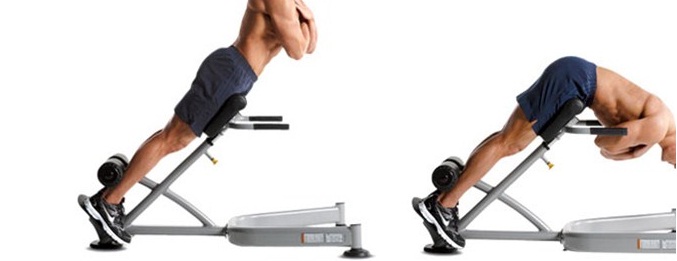
In the Banished 3 the discussion was about the muscles of the back of the thighs, so this week, continuing on that note, did you know that the back extension on the inclined roman chair could target the muscles of the hamstring? Beside muscles of the Hamstring (Femoral Biceps and Isquiltibial) the 45º back extension also targets the Gluteus (Maximus, Medias and Minimus) muscle. Most people include this exercise in their back muscle group day, but due to the position, the stabilizer muscle (erector spinae) activation is reduced with the roman chair.

The initial position to do the Inclined Roman Chair Back Extension should start with a straight back. The movement should maintain the shoulders pulled back without slouching and the abdominal muscles contracted to maintain posture. On the way down make sure to only bend at the hips and not to curve your back. On the way back up contract your glutes and hamstrings, even forcing your thighs against the pad. You will feel the whole back of your legs, including your calves being worked. To further target the glutes you can slightly rotate externally the hips

Remember that the position of the pad should be no higher than your pubis or lower abdominal to prevent your back from curving. And when you come back up careful not to hyperextend your back too much, especially if you are bearing extra weight. You see many people doing that with heavy weights which could also cause the same type of injuries that are caused by the stiff legged dead lift (The banished 3). There are also the ones who do the movement fast. But it is an exercise as effective as any other common one that should be done with the same muscle contraction intensity and speed. And if you know what points of the movement are most appropriate to contract, there is no need for extra weight.to get the best results with this exercise. Try it sometime it might have duo effect for changing it up from your back routine into your leg workout.

Friday, March 8, 2013

ROAMING FITNESS

People usually take a break from winter around this time of year, especially around the Spring break, taking advantage of the cheap travel packages prices for vacations in Cancun, Cuba, Jamaica and others. But when you go on vacation, do you take that time off and just wait to get back into it when you get back? Or do you actually continue working out when you are at a resort? What if you aren’t on vacation, just on a business trip, do you train? What if where you are staying there isn’t a gym available to workout at, what do you do?
 
For those who are starting a program or are just getting back into it after stopping for a while, did you know if you stop you might not get back into it? Each person is different and commitment level of each individual is different. It takes a few months to really stick with an exercise training program and commit to it, so if you are going away you should make sure to include some part of your workout in trip agenda, otherwise when you get back you might give up.

So those of you who are in an advanced resistance training program, did you ever consider that someone might be in better shape and condition then you because when they do go away they actually do keep to their training program even if it’s not as strict as when they are home? Whoever takes their training seriously, if they haven’t been to a certain location before, one of the first things they look for if they don’t have it even their hotel, is a gym to train to keep with the training regimen. And there are those that go to extreme measures and take bands and other equipment on their trip. If the climate and weather permit you could also take up exercising such as in a park or using your surroundings including resistance exercises used for boot camps using your own bodyweight.  

Periodization is important if you are planning a trip or you know your yearly schedule, for they can be included in the scheduling of high intensity and low intensity training or actually as your competition date if you aren’t an athlete. You could consider a longer trip as part of your off-season, but remember that athletes in off-season take a rest from the specific training of the sport that they participate in by reducing intensity, number of sessions, and even increase other types of exercise, but they never stop. It is easy to become deconditioned even though it is also easy to regain the condition quickly when they get back to training.
 
Just because you’re on vacation it doesn’t mean that you will completely forget your meal plan for results. Professional and amateur athletes or individuals with advanced resistance training program always keep to their meal plans, maybe relaxing a little more, but keeping to watching the energy balance so that it will be easy to get back into shape on return. So if you are stuck in a hotel, it doesn’t mean that the only meals you can have are those cooked by fast food chains and restaurants, you can also choose to find a supermarket and buy some of what is included in your meals at home, and keep it in your hotel room.

Remember that whatever your goals for resistance training are, there are NO excuses, even if you are away from what you are used to doing at home, it doesn’t mean that you are free because attaining or maintaining results requires commitment, dedication and discipline.

Friday, March 1, 2013

THE BANISHED 3

We have already discussed in Chicken Squat what exercise is the best to train all the muscles of the legs at the same time. But do you know which muscles are targeted more by the Squat exercise? When you are training legs are you really giving equal attention and training to the back of your legs as you do the front? If not do you compliment your leg work out with other exercises to balance off the back and front?
When the squat is done, if you don’t sit down low with enough forward lean you emphasize your Quad muscles (Chicken Squat), and the back of the leg muscles, commonly known as hamstrings aren’t affected enough. The muscles of the hamstring that should be affected along with the Quads and calf muscles should be the Gluteus Maximus, and secondary muscles, such as the erector spinae (Strength from the Inside Out) and hip adductors, are the Isquitibial (semitendinosus and semimembranosus) and the Long and Short head of the Femoral biceps (yes! They are also in your legs). So to compliment the work out, the leg curl machine is usually used. But sometimes that is not enough for equal symmetry of the front and back of the legs. So to target the hamstrings more the dead lift is used. But one variation of this exercise has been banned, because in order to do it there is a need to bend over with heavy weights and return to the standing position with no bending of the knees. In daily life The movement of the Stiff legged Dead lift has been considered the wrong form to pick up weights for it can put a big strain on your lower back, sciatic nerve, and cause even disc injuries, especially if there is no flexibility of the hamstrings and done repeated times in the wrong way. And in order to prevent injuries squatting down (simple form of deadlift) should be used to pick up things.

But the movement of the Stiff legged dead lift should be of lowering the barbell or dumbbells bending over, keeping the back and neck straight. Slowly pushing the hips back and lowering your upper body, until where the individual’s flexibility permits and then slowly coming back up to standing position. You can also let the bar run down your thighs to keep it close to the body. To minimize tension on the lower back, the knees can be slightly flexed (bent), and there is no need to extend your trunk backward for the gluteal and hamstring muscles are the most active in the lower one-third of the movement. Proper posture with tension of keeping the back straight will already affect your lower back and erector spinae muscles depending on the load that you use. 

The stiff legged dead lift should be an exercise included for advanced resistance training programs for the requirements to keep the correct form and movement also depends on the individual’s strength conditioning of the hamstring muscle and flexibility. If you have weak core muscles, strong quads, and inflexible, there is a strong chance that more complex hamstring exercises such as the Stiff or Back extensions can cause injury, especially when you are not used to warming up, and there was a prior hamstring injury. The wrong body mechanics while running could also cause or contribute to hamstring injuries, and once injured, it may be a long road to recovery for since there are many muscles involved in rehab (flexibility, strength and conditioning), and if not properly treated, there could be recurrence of the injury, but a belt could be used to prevent it.  

Articles consulted:
1 - Science and Clinical Applications for Preventing the Recurrent Injury – Sherry et al, National Strength and Condition. Assoc., June/2011.
2 – Hamstring Strain Injuries: recommendations for Diagnosis, Rehabilitation, & Injury Prevention, Heiderscheit et al, J.Orthopaedic & Sports Phys. Therapy, Feb/2010.

Friday, February 22, 2013

MELTDOWN COCKTAILS

Spring is just around the corner with summer following quickly behind, and along with it the battle to get into the best shape. Many are searching for the perfect formula for fat reduction and the increase of lean muscle mass, with the possible outcome of weight loss to fit into the summer outfits. On this journey some may choose to turn to food supplements for an extra edge.
But do you know if they really work? Do you have information about the main ingredients? Do you know what the effect of the cocktail is if ingredients are mixed?  How about the short/long term side effects of these food supplements could cause? Is it harmful? And last of all are they approved?
The first thing you should know is that these ingredients mostly originate from the components from herbs, plants or roots. And the product from the processing or manufacturing their chemical compounds is what makes these food supplements which have no nutritional value. Some of them don’t really have effects on their own. The effects may occur when taken in combination. So they are believed to cause certain outcomes such as weight loss, fat oxidation, increase strength and others. But little do people know that they are not regulated by the Food & Drug Administration (FDA). Other ingredients can be added into these products, and not all have been studied proving the suggested results.
The FDA minimized their regulation over food supplements when the Dietary Supplement Education Act (DSHEA) was introduced in 1994 to reduce restrictions on ingredients (vitamins, minerals, herbs or botanical, enzymes, metabolites, extracts from plants or foods) that don’t represent conventional food which started being called Dietary Supplements. After 1994, new ingredients have to be submitted to the FDA for approval for safety and effectiveness (no toxicity). Some of these are considered ergogenic aids, which are believed to somehow increase or improve performance.
When trying to reduce fat and measurements all is game, especially when resorting to dietary supplements. But there are side effects, and you may be putting your health at risk, especially when combining ingredients. One or more of these side effects include hormonal problems (affecting the thyroid) tolerance, dependency (withdrawal symptoms), heat stroke, stomach irritation, diarrhea, insomnia, mood shifts and circulatory problems such as elevated HR, arrhythmias, which in short or long term could cause heart conditions (high blood pressure, heart attacks) that could lead to death or even instant death.
There are many dietary supplements marketed to increase energy expenditure, increase fat utilization and oxidation, improve resting Heart Rate (HR), improve recovery, reduce effects of cortisol, fatigue and anxiety. They are used to increase alertness, training intensity and anabolic effects which may enhance ergogenic action or performance. They contain active ingredients (will be listed in brackets) that are specifically used for improving body composition (lowering fat percentages and increase of muscle mass), and even maybe weight loss affecting specific functions of the body. First of all there are the stimulants (catecholamine hormones) which have shown to affect the Central Nervous System (CNS) which could spare lean muscle mass (glycogen and effect nitric oxide production) while exercising, increase cognition and increase thermogenesis (increase of body heat) during exercise. Until now the stimulant that had most effect on the body was MaHuang or Ephedra (ephedrine or neuroephedrine). But due to its negative effects on the body, proving to be harmful to health, it has been banned by the FDA. Ever since, there has been a wide search for ingredients or combinations to imitate its effects. So other ingredients that have been used in these supplements, that also promote fat oxidation and appetite suppression are extracts from Geranium Maculatum (DMMA), Green Tea (cathecin) and Guarana (Caffeine); Black, Red Chilli Peppers, Cayenne and Ginger Root (Capsaicin); Willow Bark Extract (Aspirin); Ciwujia or Wujanseng (Panax or Siberian Ginseng); Forskolin, Rholdiola Rosea. There are also components added to this group that can affect cholesterol levels by improving them such as Gamma Oryzanol and Gymnema Sylvestre, They can be combined with Flavanoid composites such as Saint John Worts (SJW), Tribulus terrestris, Ginko Balboa, Kava Kava (lactones), Citrus Aurantam or Bitter Orange (Synephrine) that may be related to reduce fatigue (analgesic, sedative or muscle relaxation effect) and increase the levels of antioxidants (free radicals).
Some ingredients alone are said to help with fat burning but studies are scarce when relating to the ergogenic or performance effects. There are no direct studies about the effects on the human body of other ingredients such as Lecithin, Chitosin, Garcina Combogia (HCA) and Cordyceps. The effects of fat burning may come when combining two or more of these ingredients, known as the synergistic effect. The results could be adding to the individual effects increasing the stimulation of the CNS or even neutralize the feedback effects of one of the other ingredients. Such an example is the mix of caffeine+ephedrine+aspirin (Caffeine and aspirin remove the effect of increase in levels norepinephrine) which now are sold separately, or Kava kava+SJW (SJW blocks the effect of serotonin from Kava Kava) or Gamma Oryzanol+Tribulus Terrestris (anabolic effects may increase through testosterone production). Certain products may offer excessive amounts and contain proscribed pharmacological agents such as anabolic steroids causing more side effects and even psychiatric disturbances, maniac-like symptoms, and cardio vascular events.
There is a larger concern for these dietary supplements now a days, for they are being used for purposes other than increase in motivation or weight loss.  Little do these bozos realize how deadly that these energizers could be if mixed, for example, with alcoholic beverages or other drugs, for the excessive amounts may cause even more enhanced side effects leading to death.
Articles Consulted:
Gamma-oryzanol from Rice Bran Oil: A review. Patel and Naik, Journal of Scientific and Industrial Research, 2004.
Selected herbals and human exercise performance. L. Bucci. American Journal of Clinical Nutrition. 2000.
The effect of commercial thermogenic weight loss supplement on body composition and expenditure in obese adults. Armstrong, et al. Journal of Exercise Physiology. 2001.
Ephedra and its application to sport performance: another concern for the athletic trainer. M. Powers. Journal of Athletic Training. 2001.
Capsaicin supplement fails to modulate autonomic and cardiac electrophysiologic activity.Shin and Moritani. Journal of Sports Science and Medicine. 2008.
Dietry supplements and sports performance: Herbals. Williams. Journal of Internaltional Society of Sports Nutrition. 2006.
Caffeine and exercise: metabolism, endurance, and performance. T. Graham. Journal of Sports Medicine. 2001.
Ginseng: is it in the root. Palisan and Stacy. Current Sports Medicine Reports. 2006.

Friday, February 15, 2013

THE BANISHED 2

Before we discuss another exercise considered “dangerous”, how many of you are suffering or know people who are suffering from neck and upper back pain? How many of you can say that you don’t slouch? Do you know why you feel pain? Especially today with the sedentary lifestyle, sitting around over the computer or laying back while watching TV, besides from the results of degenerative diseases, injuries and stress, there are many cases of back and neck pain due to the slouching position.
The cause of pain in the back and neck are problems mostly affecting muscles from the Glenohumeral Joint (Rotator Cuff muscles – Refer to The Banished 1), Acromioclavicular joint (Trapezius and Anterior Deltoid), Scapulothoracic joint (Anterior Serratus and Traps again), and the Sternoclavicular joint (Pectoralis Major, Deltoids and Trapezius), and those that attach to the Scapula or Shoulder Blade (Levator Scapulae, Rhomboids Major and Minor) and muscles that are related to the shoulder blades movement (Latissimus Dorsi and Teres Major). Pain can result from injuries, such as whiplash, or repeated movement of the shoulder, even because of certain health conditions such as heart attack and diabetes. Today the most common cause of pain in the upper back and neck is long-term poor posture, prolonged periods of standing, bending along with twisting, while picking up objects, and stress factors.
Pain occurs when the natural equilibrium between the vertebras, disks, joints, ligament and muscles is compromised by the weakening or shortening of muscles causing tension in between the bones of the spinal cord. These can be treated with medication and extreme cases surgery, but resistance training should be the first option. With resistance training one can divert the pressure put on disks, joints and bones to the muscles. At first there is a need to improve the function of the muscle with rehabilitative exercises, such as stretching and isometric (static) contractions, and then strengthen it more with a program for back.
One of the exercises used for rehab and strengthening these muscles is the Rear (back of neck) Lateral Cable Pulldown. The questioning of this exercise is due to the extra external rotation of the shoulders when the individual leans forward (trunk flexion) when the bar is being pulled down deviating from a straight line. Leaning forward is due to the lack of flexibility of the shoulders which also causes its horizontal abduction, which could cause excess movement of the glenohumeral joint causing injury. Posture, spinal cord alignment, and paying attention to the movement of the bar is the main factor for this exercise, making sure that the bar travels in a straight line and no movement of the upper body. One way to do it correctly is to sit a bit forward on the seat and, make sure that with the movement of the arms there is no movement of the upper body or neck. Also when griping the bar the elbows should be at a 90º degree angle.
  

You can hurt yourself doing any free weight exercise without the correct technique and form. So besides being a successful exercise for deep muscle strength of the back, and used for rehab treatment of Kyphosis (cervical slouching) and Scoliosis (abnormal curvature of the spinal cord into an S shape, which can deteriorate into hunchback), it is an exercise that can be used for widening your back because its primary muscle target is the Latissimus dorsi, Infraespinatus, and secondary biceps and traps

Friday, February 8, 2013

WHERE'S THE BEEF? MEATHEAD!

Today with the growing concern for health and nutrition much of the talk of the fitness industry is about protein and how it does wonders for the human body. But how much do you really know about what can be called one of the secret ingredients to the fountain of youth? What is its purpose in the body besides important nutrient for building muscle mass? Do you really know why it is so important to have the right quantities especially if you are doing resistance training? Is it true that for putting on muscle mass and losing weight you can never get enough? What is the truth about protein supplementation?

Let’s start with the basics, protein is made up of the chemical substances strongly bound by peptides (combined by electric charge) Carbon, Oxygen, Hydrogen and Nitrogen forming molecules, called Amino Acids (AA). The most heard of when talking about resistance training are Leucine, Glutamine, Glutamate, and Arginine. Our bodies can produce most of them, but 8 Amino Acids, isoleucine, leucine, lysine, methionine, phenylalanine, threonine, tryptophan and valine are considered essential because they have to be ingested so that you can have normal function of your body.

The importance of protein to our body, which means having all the types of AA available is to support the body (cell structure), for the immune system (antibodies), body movement (muscle contraction), biochemical reactions of the metabolism (osmotic equilibrium or flow of water and catalysts), hormonal function, and transportation (tissue nutrition, for example insulin removal from the kidneys, and oxygen delivery, and carbon dioxide removal). They are considered the building blocks for they are vital for body development, lining, protection, and support. When used as an energy source they provide 4kcal/gram of protein.

Most already knew that Protein is considered building blocks because it is responsible for building muscle mass, but do you know how it is built in the body? First of all, just like the energy balance to get your results, there needs to be more synthesis of protein in the body than breakdown (Positive Protein Balance). Protein synthesis or formation of protein starts in the brain of the cell (nucleus) where there is DNA. Information in DNA is copied into the RNA messenger (mRNA) molecule, and it is transferred into a specific sequence of AA into the cytoplasm of the cell. In the cytoplasm the RNA binds with ribossomos and undergoes translation of the information forming new peptides which are added onto the existing.
The amount of ingested protein that a trained individual needs is hard to calculate, but at a cellular level they might require more than the general population because there is a need to support muscle growth through elevated protein synthesis and the increase of catabolism of AA with resistance training. But protein turn over after resistance training is slow and repeated sessions are needed for this to happen. If there is excessive amounts of protein, AA is lost from the skeletal muscle and oxidized which increases the production of urea, or is converted into glycogen by Glycolysis. In fact, scientific research shows that for the trained, post exercise levels of protein in the muscle is maintained up to 48 hours, meaning that they may need less amounts for building muscle mass (Phillips SM, Protein requirements and supplementation in strength sports. Nutrition 2004).
There are different forms of calculating the protein balance which gave way for conclusions that the trained may need more because of an increased rate of resting protein turnover due to exercises responses (intensity, duration, frequency and type). Even though there is an indication that the daily consumption of protein should be of 0.8g/kg of bodyweight spread out through the meals of the day for hypertrophy and fat reduction (some even suggest 1.8 – 2.0g/kgs), for athletes, it really isn’t known what the right quantity is to maximize protein synthesis for each separate individual.
Some study’s results showed the positive effects when timing calorie intake. The right time led to a decrease in excretion of AA in urine if carbs were consumed immediately after resistance training. It also contributed to lower levels of nitrogen excretion and increased insulin concentrations which could result in a positive protein balance (Roy. B.D, et al. Effect of glucose supplement timing on protein metabolism after resistance training. Journal of Applied Physiology, 1997). According to Pasiekos et al  consuming AA before, during or immediately after exercise increases anabolic responses by maximizing protein synthesis and anabolism (Leucine-enriched essential amino acid supplementation during moderate steady state exercise enhances postexercise muscle protein synthesis. American College of Clinical Nutrition, 2011). There is a need for more research with variable conditions instead of model settings to calculate the right timing of protein/carb consumption for protein synthesis. (Burd. N.A, et al. Enhanced amino acid sensitivity of myfibrillar protein synthesis persists up to 24h after resistance training in young men. Journal of Nutrition, 2011) 

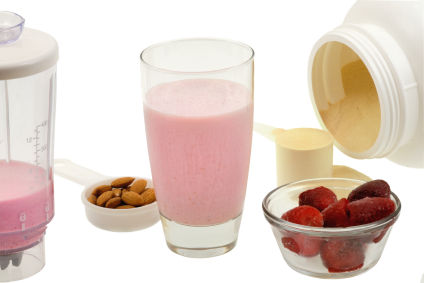
For most, supplementation is not needed because sufficient levels can be provided by self-prepared meals based on energy intake calculations, but it has been shown that it can help with weight loss due to the right quantity of ingredients, and helping with reducing hunger. Energy intake can also spare protein if sufficient carbs are consumed, but if you choose to consume them make sure that the proportions of protein to carbs and other ingredients give you the highest quantity per serving

Friday, February 1, 2013

THE BANISHED I

Now that the beginning of year shock to body is over, and who ever kept their word on the resolution to train is training hard, people want to know more about the muscle groups. For now the postings from this Blog might not provide the information about the mainstream exercises that everyone uses in the gym for Chest, Back, Shoulders, Arms and Legs, and that you are interested in. But since this Blog was renamed: Hardcore Resistance Training & WellB, it doesn’t mean the postings won’t relate and critique the gym environment, ethics and exercise that characterized Hardcore Peeves.

So there are many controversies about certain exercises done in the gym which have been described as exercises that you shouldn’t do. The reason for this is most don’t know how to do them properly, and instead of maintaining proper form, posture and execution, they end up injuring themselves. We will discuss why they are banished. One of the muscles that most of these exercise are for, is the Rotator Cuff. The muscles that belong to this group originate at the shoulder blade (Scapula), and Insert at the top of the bone of your arm (Humerus). They are the Supraspinatus (which allows the muscle to rotate inward), Infraspinatus, Teres Minor (both rotate the arm outward), and Subescapularis (abducts the arm lifting it away from the body) (S. Sovndal. Cycling Anatomy. Human Kinetics. 2009). These muscles stabilize and protect the shoulder joint. The exercises usually done to strengthen the rotator cuff are the external and internal rotations of the upper arm positioned against your body and moving your lower arm inward and outward with bands, on the cable or with dumbbells.

But nature isn’t perfect and sometimes the Humerus bone doesn’t fit perfectly in its socket. And moving this joint inappropriately causes injuries of the rotator cuff and shoulder. According to the ACSM (American College of Sports Medicine) the right position to exercise the rotator cuff is maintaining shoulders back with chest wide open, pulling the shoulder blade and elbows downwards. Without the right posture performing exercises with the internal rotation could cause shoulder and rotator cuff injuries. And that is why the upright row is considered a “dangerous” exercise.


Now that the beginning of year shock to body is over, and who ever kept their word on the resolution to train is training hard, people want to know more about the muscle groups. For now the postings from this Blog might not provide the information about the mainstream exercises that everyone uses in the gym for Chest, Back, Shoulders, Arms and Legs, and that you are interested in. But since this Blog was renamed: Hardcore Resistance Training & WellB, it doesn’t mean the postings won’t relate and critique the gym environment, ethics and exercise that characterized Hardcore Peeves.

So there are many controversies about certain exercises done in the gym which have been described as exercises that you shouldn’t do. The reason for this is most don’t know how to do them properly, and instead of maintaining proper form, posture and execution, they end up injuring themselves. We will discuss why they are banished. One of the muscles that most of these exercise are for, is the Rotator Cuff. The muscles that belong to this group originate at the shoulder blade (Scapula), and Insert at the top of the bone of your arm (Humerus). They are the Supraspinatus (which allows the muscle to rotate inward), Infraspinatus, Teres Minor (both rotate the arm outward), and Subescapularis (abducts the arm lifting it away from the body) (S. Sovndal. Cycling Anatomy. Human Kinetics. 2009). These muscles stabilize and protect the shoulder joint. The exercises usually done to strengthen the rotator cuff are the external and internal rotations of the upper arm positioned against your body and moving your lower arm inward and outward with bands, on the cable or with dumbbells.

But nature isn’t perfect and sometimes the Humerus bone doesn’t fit perfectly in its socket. And moving this joint inappropriately causes injuries of the rotator cuff and shoulder. According to the ACSM (American College of Sports Medicine) the right position to exercise the rotator cuff is maintaining shoulders back with chest wide open, pulling the shoulder blade and elbows downwards. Without the right posture performing exercises with the internal rotation could cause shoulder and rotator cuff injuries. And that is why the upright row is considered a “dangerous” exercise.

If done properly the Barbell/Dumbbell/Cable Upright Row primarily activates the anterior and lateral deltoid (shoulders) and trapezius (traps), and in second place the muscles of the rotator cuff. It actually is used for Rehab in injuries of the shoulders, rotator cuff and neck Muscles and can contribute to wider and thicker back muscles. The problem occurs when it is done incorrectly and with heavy weights. You usually see people performing the exercise with a grip that is too wide and bringing the bar above the shoulder bone. Elbows can go high if you feel comfortable doing it that way, but the wrists shouldn’t go above the line of your shoulder bone, and the fists around the bar should be positioned with moderate space in between them, more closed than shoulder length. You also see the bar being thrown forward after being raised so that it comes down far from the body. Depending on the load of the bar this causes and excessive internal rotation with abduction of the arms (Instability of the joint of the ball of the arm into the socket of the shoulder causing impingement) resulting in injury. The bar should be maintained close to the body at all times with the final position of the arms extended fully. As discussed before jerking, bouncing and swinging are also factors that could cause injury.  

So when they say that the Upright Row is an exercise that should not be used, that doesn’t mean that a resistance training program can’t include it, it just means that one should know what they are doing because most don’t have a clue, and actually don’t realize that they are making a spectacle of themselves (Look back to Bounce Those Cheating Jerks for video).

Friday, January 25, 2013

ENERGY TRANFORMERS

This week the discussion is a bit more technical but important, for some of you may not realize that it might be harder for you than others to get your body to the results that you desire. Do you know why? Does it just depend on genetics? Can you change the way your body works to get and keep building it the way you want?
We gave an introduction as to how the human body produces energy, but now we will get more into it because the types of energy system can be manipulated, even for non-athletes so that you can maximize your results whatever they are. So for exercise we need to produce greater amounts of energy for muscle contraction under extra tension. But the difference in the type of muscle is defined by the speed in which they produce energy (ATP). Producing energy means that your muscle cells have more or less numbers of mitochondrias (oxidative enzymes for cell respiration), and more myoglobin to release oxygen in the blood stream. Due to this the microstructure of the muscle, called the fiber (for those beginners) can be considered of slow twitch or fast twitch. The slow twitch or Type I Fiber contains many mitochondrias and myoglobin, characterized by the color of blood due to its affinity to oxygen which is used in aerobic metabolism and have high resistance to fatigue. Fast twitch or Type II Fibers are characterized by their cells releasing calcium in faster speed activating enzymes to produce energy quickly. Fast Twitch Fibers are subdivided in to Type IIa, which is a mix of fast and slow twitch, and Type x which due to faster enzyme activity it takes a lot of energy for its use. For resistance training we use mostly the Fast twitch fibers, and those that have more quantity of these fibers usually have an easier time to build muscles. This is defined by genetics, but you are also able to manipulate the energy systems so that you can activate your slow twitch fibers (for endurance results) or fast twitch fibers (for muscle growth, strength or power). You are born with one Muscle Fiber Type predominating over the other so that is why some have a hard time to put on muscle mass, and there is no need for great effort for others
Bioenergy is the flow of energy in the human body, and metabolic pathways capable of converting nutrients (mostly carbs) into energy biologically useful. There are three metabolic pathways for production of energy for exercise. The first one starts in the digestive system with the breakdown of carbs, producing energy for the first 10 seconds of exercise at a very high intensity. This is the Phosphagen or ATP-CP system, where through the creatine kinase enzyme (the supplement creatine helps with this) helps to produce ATP. This energy system is usually used in programs for hypertrophy. It is energy that lasts for a short time but produced quickly with the availability of carbs. To recover your full ATP-CP energy reserves it takes only a few minutes,
 
The second energy pathway uses the nutrient (Glycogen) stored in the cells of muscles or liver. It is called Glycolysis, and provides energy for up to 2 minutes of unstopped physical activity. Without the presence of oxygen the product from Glycolysis (pyruvate) is transformed into lactate which causes the burning sensation. With the presence of Oxygen, lactate can be used in its own cycle (Cori Cycle) to produce energy anaerobically. High intensity exercise uses this energy system and it takes 2 to 3 hours to fully recover energy stores.

The third and last energy production system is the Aerobic System. When there is presence of oxygen, the pyruvate that came from Glycolisis enters the Krebs Cycle (Tricarboxylic Cycle or Citric Acid Cycle). In this case pyruvate is transformed into Aceytl CoA (Coenzyme A) to be used with Oxygen. This energy system is used from 2 minutes onwards of exercise at an intensity of low to moderate. In really low levels of intensity Acetyl CoA can also be used in the Beta Oxidation cycle where triglycerides are broken down and transported to the mitochondria to be transformed into energy. This is called Fat Oxidation, but this is not optimal because other energy systems take over before this system kicks in. Full recovery from the Aerobic system takes about 24 – 48 hours.

Logically you can come to the conclusion that most people doing resistance training use the ATP-CP energy system, and since we have already discussed that Type IIa muscles are faster, they must use the Phosphagen System or Glycolytic System to produce energy for muscle contraction, and the rest intervals (up to 2 min) are for recovery. Most in the gym have the desire to maintain or increase muscle mass and reduce fat, so planning the training program according to your body is important. So if you don’t know what muscle fiber type is predominant in of your body parts, you should first plan to find that out by using the anaerobic energy systems to see which works best for you to increase your muscle mass. Those who have a Slow Twitch Fibers don’t have to work as hard on the Aerobic System to lose fat. Everyone should train all of the systems changing up the intensity, volume and rest interval, for even if you don’t want to, depending on how you train you might be using all of the energy systems anyway demonstrating that resistance training alone can bring all types of results.